
B2C email marketing in the U.S. is a crowded space. Every large brand and thousands of smaller businesses send emails daily. A typical user may receive dozens of promotional messages in a single day.
At the same time, expectations are higher than before. People are used to personalized feeds, recommendations, and offers in apps and online stores. They expect the same from email. If a message feels generic or irrelevant, it is ignored or deleted.
This is why email in the U.S. now is a revenue channel. Businesses rely on it to drive repeat purchases, recover abandoned carts, and increase customer lifetime value. A well-built email program can generate a steady share of online sales without constant manual work.
What does The U.S. consumer look like?
U.S. users are used to fast, personalized digital experiences. This directly affects how they treat email:
— Personalization is expected by default
When someone subscribes to a store and browses a category, they assume future emails will reflect that interest. If they looked at running shoes, they expect to see running shoes, not a generic mix of products. When this expectation is not met, the email feels irrelevant.
— Tolerance for irrelevant emails is low
People unsubscribe quickly. Some mark emails as spam after just a few bad experiences. This is not only a lost contact. It also signals to email providers that the sender is not delivering value, which can reduce inbox placement for the entire list.
— Most emails are read on mobile devices
This changes how content is consumed. Users scan quickly. They do not read long introductions. They look for a clear offer, a recognizable product, and a simple action. If the message is hard to read or takes too long to load, it is skipped.
— Value must be obvious at a glance
A user opens an email and decides within seconds whether it is worth attention. A vague “check out our new collection” forces them to think. A direct “20% off items you viewed yesterday” answers the question immediately.
You can see this difference: for example, generic newsletter might include a mix of updates, blog posts, and several product categories. But it tries to speak to everyone, and as a result, speaks to no one. Now compare it with a message triggered after browsing: it shows the exact products the person viewed, adds a short reminder, and includes a clear call to action. The second email usually gets more clicks and more sales because it matches a real intent.
B2C email marketing vs. B2B
The difference between B2C and B2B email marketing starts with how people make decisions:
— In B2C, decisions are usually faster. A person sees a product, compares a few options, and buys. The time between interest and purchase can be minutes or days. Emotions play a role: desire, urgency, curiosity. This affects how emails are written and when they are sent.
— In B2B, the process is longer. There are more steps: research, internal discussion, approval. Several people may be involved, the decision is more rational and slower. Emails support this process with information, case studies, and follow-ups over time.
These differences change three key elements: content, frequency, and offers.
— In B2C, content is short and direct. It focuses on the product, the benefit, and the action. Frequency is higher because the buying cycle is shorter. Offers are clear and immediate: discounts, limited-time deals, free shipping.
— In B2B, content is more detailed. It explains the product, the use case, and the value over time. Emails are sent less often but carry more information. Offers are different: a demo, a consultation, a report.
You can see this in a simple situation. A person browses a pair of headphones in an online store. In B2C, they may receive an email a few hours later with the same product, a short reminder, and a small incentive. The goal is to close the sale quickly. Now take a B2B scenario. A user requests a demo of a software product. The follow-up email will confirm the request, provide details about the next steps, and maybe include a guide or case study. The goal is not an instant purchase, but moving the lead to the next stage.
For teams working in the U.S. B2C space, this means that speed and relevance matter more than depth. Emails should match what the customer just did, not what the brand wants to say in general.
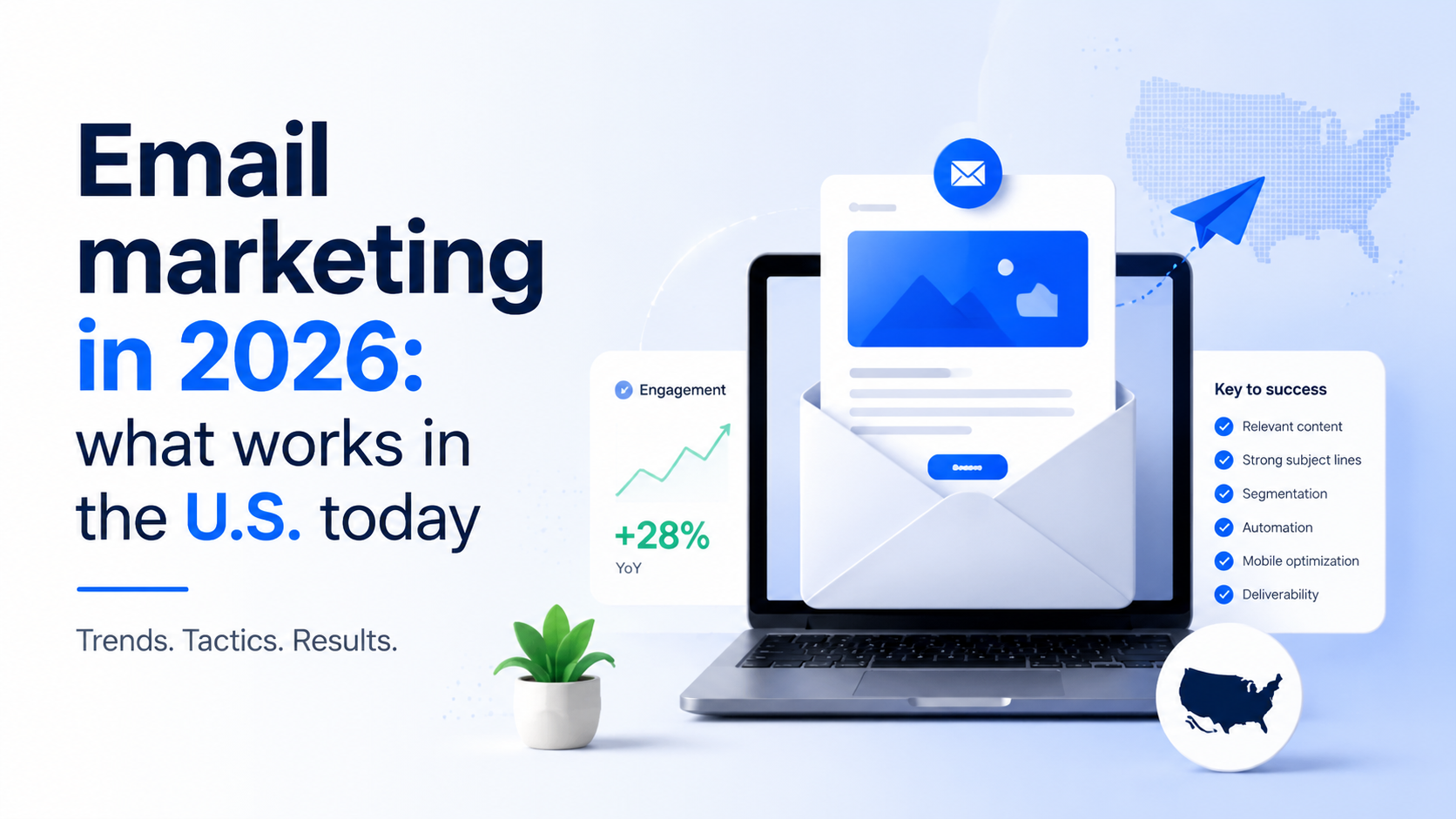
What a strong U.S. B2C email program includes
1. A clean, permission-based list.
People should clearly agree to receive emails. This usually happens through a website form, checkout, or account signup. Lists collected without clear consent tend to perform poorly. They generate low engagement and more spam complaints. Over time, this affects inbox placement. A smaller list of real subscribers almost always brings more revenue than a large, random database.
2. Segmentation based on behavior.
The key question is simple: what did the person do? Did they browse a category, add to cart, or complete a purchase? This information should define what they receive next. For example, a person who looked at a product but did not buy should not receive a general newsletter. They should receive a reminder with that product or similar items.
3. Automated lifecycle flows.
These are emails that send themselves after a specific action. The most important ones are welcome emails, abandoned cart reminders, and post-purchase follow-ups. They work because they match a real moment. A customer leaves a product in the cart and gets a reminder within hours. That timing drives results without manual effort.
4. Mobile-first design.
Most people open emails on their phone. The message should load quickly, be easy to read, and show the main point at the top. If a user needs to zoom, scroll too much, or search for the button, they will leave.
5. Clear offers and clear calls to action.
A good email answers two questions right away: what is the value, and what should I do next? “20% off today” works better than a vague message. The button should be simple and visible, such as “Shop now” or “Get the discount.”
6. Compliance with U.S. requirements.
Every email should clearly show who sent it, include a real address, and provide a working unsubscribe link. This is not just a legal detail. It builds trust and reduces complaints.
7. Revenue-focused analytics.
It is easy to track opens and clicks. It is more useful to track what matters for the business: purchases, revenue per email, and repeat orders. This helps understand which emails actually drive sales.
Before using this data, it needs to be cleaned and structured. Tools like LetsExtract help prepare contact lists, remove duplicates, and organize fields so that segments and flows work as expected.
FAQ
How often to send emails?
There is no single number that fits everyone. In practice, most B2C brands send from one to several campaigns per week. The right frequency depends on how relevant the emails are. If messages match user behavior and bring value, people tolerate higher frequency. If emails feel random, even one per week can lead to unsubscribes.
Where to start with automation?
The first flows to set up are welcome emails, abandoned cart reminders, and post-purchase messages. These cover the most important moments: the first contact, a near-purchase, and the period after a sale. For example, a simple abandoned cart email sent a few hours after a user leaves the site can recover part of lost revenue with minimal setup.
How to avoid a spam folders?
Send emails people expect and want to open. This means using permission-based lists, keeping the database clean, and sending relevant content. If many users ignore emails or mark them as spam, providers will start filtering future messages. Technical setup matters, but engagement matters more in daily work.
What about balancing promotions and value?
If every email is a discount, users get used to waiting for the next one. If there are no promotions, interest drops. A balanced approach works better: combine offers with useful content such as product подбор, usage tips, or updates based on customer interests. For instance, a store can send a discount one week and a curated selection based on past browsing the next.
It's time to try LetsExtract (it's free)
 Click here to download the LetsExtract Email Studio
The trial version will allow you to create a contact list, check email addresses and start mailing.